
Top 15 Costa Rica Surf Spots: Where to Surf on Every Coast
September 22, 2026 (Updated: September 23, 2026)
Costa Rica has surf on both coasts, warm water all year round, and a wave for wherever you're at, from your first wobbly pop up to the kind of legendary lefts surfers travel the world to ride. This guide takes you coast by coast, from the Nicoya Peninsula and Guanacaste down through the Central and Southern Pacific, and over to the Caribbean side, which runs on a completely different rhythm of its own.
The Nicoya Peninsula happens to be where we run our own surf camp, in a town called Santa Teresa, so if any of this already has you daydreaming about a trip, that's exactly where we'd start. Wherever you end up surfing, here's hoping it's the trip you'll be telling everyone about when you're back home 🌊
What are the Best Surf Beaches in Costa Rica?
Some of Costa Rica's best surf beaches include Playa Carmen, Playa Guiones, Playa Grande, Playa Negra, and Playa Cocles, plus the point break at Pavones. Honestly, the hardest part of a Costa Rican surf trip usually isn't finding a good wave, it's picking which one of these to start with!
The 15 Best Surf Spots in Costa Rica by Region
Costa Rica's coastline changes character depending on where you are, so the best way to find your spot is by region rather than trying to compare them all at once. Here's the full breakdown!
Where to Surf in the Nicoya Peninsula
1. Santa Teresa: Where Our Surf Camp Calls Home
Santa Teresa has a laid back, slightly dusty vibe. The beaches closest to our surf camp are Playa Carmen and Playa Hermosa, both an easy walk from where you're staying, and the town center is just as close, so it's easy to fill a rest day between cafes, restaurants, bars, and the kind of local sodas that serve the best casado you'll eat all trip.
The surf here works for a wide range of levels, which is exactly why we built a camp around it: first timers can get real, confident progress in a week, and stronger surfers still have plenty to chase when the swell fills in.
This destination is surfable year round, with the dry season bringing calmer, glassier conditions and the wet season kicking up bigger, more powerful swell. If Santa Teresa ends up being the one, come join us, we'd genuinely love to share some waves with you 🤙
Good to know:
Surf level: Beginner to advanced surfers
Surf season: Year round
Surf camp vibe: Laid back and social

2. Malpais: A Quieter Stretch Just Down the Road
Mal País runs along the same stretch of coastline as Santa Teresa, with Playa Carmen sitting between the two. The area combines sandy beach breaks with rocky reef and point breaks, and conditions can become powerful when a bigger swell rolls through. While some spots are suitable for beginners, surfers should choose their break according to their experience and the conditions on the day
3. Nosara: Long, Consistent Days at Playa Guiones
A bit further up the peninsula, Nosara centers on Playa Guiones, a long, sandy beach break known for its consistency and multiple peaks. It works across a broad range of swell sizes and is a particularly good spot for surfers progressing from beginner to intermediate, with relatively forgiving waves that still offer plenty to work on as the swell picks up.

Best Surf Beaches in Guanacaste, Costa Rica's Pacific Northwest
Guanacaste is one of Costa Rica's most developed surf coasts, and it's where a lot of first time visitors land, thanks to easy access from Liberia's airport.
4. Witch's Rock: A National Park Wave Worth the Boat Ride
Witch's Rock, also known as Ollie's Point, sits inside Santa Rosa National Park and isn't the kind of spot you stumble into. Getting there means a boat charter or a rough 4x4 road, and once you're out there, it's a wave for experienced surfers who can handle a crowd and a bit of a paddle. The payoff is a genuinely uncrowded, protected stretch of coastline that most travelers never see.
5. Tamarindo: Costa Rica's Busiest and Easiest Surf Town
Tamarindo is one of Costa Rica's most built-up surf towns, with sandbar beach-break conditions that shift often enough to keep things interesting. Around head-high, the surf can suit a real mix of abilities, although beginners will generally be more comfortable in smaller, softer conditions. It's also one of the more crowded spots on this list, but that comes with a well-established surf scene, plenty of restaurants and nightlife, and a good range of surf shops and other amenities nearby.

6. Playa Grande: A Quieter Alternative Just Up the Coast
Playa Grande sits a short drive from Tamarindo and offers a similar beach break with noticeably fewer people in the water. It's a solid choice if you want Tamarindo's convenience without Tamarindo's crowd, and it works for beginners and intermediates looking for room to actually surf rather than dodge other people.
7. Playa Negra: A Fast Right for Surfers Ready to Push Themselves
Playa Negra is a step up in intensity: a fast, hollow right-hand reef break that rewards surfers who are comfortable reading a wave, choosing their line, and committing to the takeoff. It's not a place to start learning, but for surfers ready to move beyond softer beginner breaks, it's one of the more rewarding waves in this part of the country.
How to make the most of your surf camp experience in Costa Rica

Best Surf Spots in Costa Rica's Central Pacific
The Central Pacific is the most accessible stretch of coast from San Jose, which makes it a natural stop for a shorter trip or a first few days before heading further afield.
8. Boca Barranca: A Long Left at the River's Mouth
Boca Barranca is a rivermouth break known for long, workable left hand waves, best caught early in the morning before the wind and the crowd pick up. At smaller sizes it's approachable for confident beginners, and as it grows it becomes a genuinely fun wave for intermediate surfers who want a long ride rather than a quick, punchy one.
9. Jaco and Tulin Rivermouth: Easy Access, Real Respect for the Water
Jacó is the closest proper surf town to San José, which makes it a convenient option, and the surf ranges from relatively beginner-friendly beach-break sections to punchier waves as you move south toward Playa Hermosa. Just beyond Hermosa, the Tulín rivermouth area has a well-earned reputation for powerful shorebreak and challenging conditions, so local warnings about the water are worth taking seriously.

10. Dominical: A Beach Break with Room for Everyone
Dominical has a longer, more laid back version of the surf town feel, with a wide beach break that stays fun across a range of swell sizes and skill levels. It's less polished than Jaco and, for a lot of surfers, more enjoyable for exactly that reason.
11. Manuel Antonio: A Faster Wave Near the National Park
Just north of the well-known Manuel Antonio National Park, the surf around Playitas is a step up from the softer beach breaks further south, with faster, punchier waves and some rocky sections to be aware of. It also tends to have a more local lineup, making it better suited to surfers who are already comfortable in stronger conditions. It's a worthwhile add-on for stronger surfers already in the area for the park, wildlife, and beaches.

Where to Surf in Costa Rica's Southern Pacific
The Southern Pacific is the least developed, least crowded part of this list, and it's worth the extra travel time if you're chasing genuinely world class waves over convenience.
12. Pavones: One of the World's Longest Left Hand Waves
Pavones is the wave every serious surfer in Costa Rica eventually asks about. On a good swell, it's often described as one of the longest left-hand point breaks in the world, with some surf outlets calling it the world's second-longest left after Chicama in Peru. It's best suited to intermediate and advanced surfers when the point is working, and it can go quiet between swells, so a trip here rewards patience as much as skill.
13. Matapalo: Remote Breaks Worth the Drive
Further down the Osa Peninsula, Matapalo is best known for a small cluster of right hand point breaks, with everything from the more user friendly Pan Dulce to the faster, more demanding waves at Backwash and Matapalo Point. The setting is remote, and the rough road keeps crowds relatively light compared with Costa Rica's better known surf spots. That isolation is part of the appeal, but it also means coming prepared: access is slow, facilities are limited, and a 4x4 is recommended for the final stretch.

Best Surf Beaches on Costa Rica's Caribbean Coast
The Caribbean side runs on a completely different rhythm than the Pacific, both in wave character and in season, and it's genuinely underrated by most first time visitors to the country.
14. Salsa Brava, Puerto Viejo: The Caribbean's Serious Reef Break
Salsa Brava is Costa Rica's most famous Caribbean wave among experienced surfers, a powerful reef break just off Puerto Viejo that can get genuinely heavy on a bigger swell. The reef sits close to the surface, so this is a spot that deserves real respect and local knowledge before you paddle out, not a wave to learn on.
15. Playa Cocles and Punta Uva: A Softer Side of the Other Coast
A little further down the coast from Puerto Viejo, Cocles and Punta Uva offer a gentler, more laid back alternative to Salsa Brava, with beach break conditions that suit beginner and intermediate surfers. The Caribbean side runs on its own swell pattern, separate from whatever the Pacific is doing that week, which is a genuinely useful thing to know if you're building a longer trip that covers both coasts.
Costa Rica Surf Spots by Skill Level
If you'd rather sort by ability than by map, here's the short version:
New to surfing or still building confidence: Santa Teresa and Nosara's Playa Guiones are both excellent picks. They're long, forgiving beach breaks with soft whitewater and plenty of room to fall without much consequence.
Comfortable and ready to progress: Tamarindo and Dominical are worth a look. Both waves have a bit more push and a bit more crowd, and reward a surfer who already has the basics down.
Experienced and looking for a challenge: Pavones and Salsa Brava deliver. Both are powerful, demanding waves that reward real experience and respect for the ocean.
Why Join a Surf Camp in Costa Rica?
Because figuring out which beach is firing, hauling a board that's the wrong size, and paddling out solo gets old fast. A surf camp takes care of all of that for you, and makes it easy to build the week around what you actually want:
A coach who already knows the wave, so you're not guessing where to paddle out.
A board sized to how you actually surf, not whatever's left in the rental rack.
A crew of people just as stoked as you, to compare notes over dinner.
Extra surf training or a video analysis session, if you want more time in the water or a closer look at your technique.
And on the days you're not surfing? That's your playground too: think bioluminescence tours, salsa classes, fishing trips, yoga, and massages.
Costa Rica makes it an easy call too, since the surf works year round, so there's rarely a bad time to book the flight. Take a look at our accommodation and add on options to put together the week that fits you!

When to Go: Costa Rica's Surf Seasons
Costa Rica's year is broadly divided into two seasons, each with its own character:
Dry season (December through April): Generally sunnier and drier, with more reliable stretches of settled weather, particularly on the Pacific coast.
Rainy or “green” season (May through November): Rain becomes more frequent, the landscape turns noticeably greener, and conditions can vary more from week to week. On the Pacific coast, this period can also bring some of the year's more substantial swells.
These are broad seasonal patterns rather than fixed rules, and conditions can vary considerably by region and from year to year. If you're planning around surfing, it's worth checking the forecast closer to your trip to see what a particular week is likely to bring.
Frequently Asked Questions: Surfing in Costa Rica
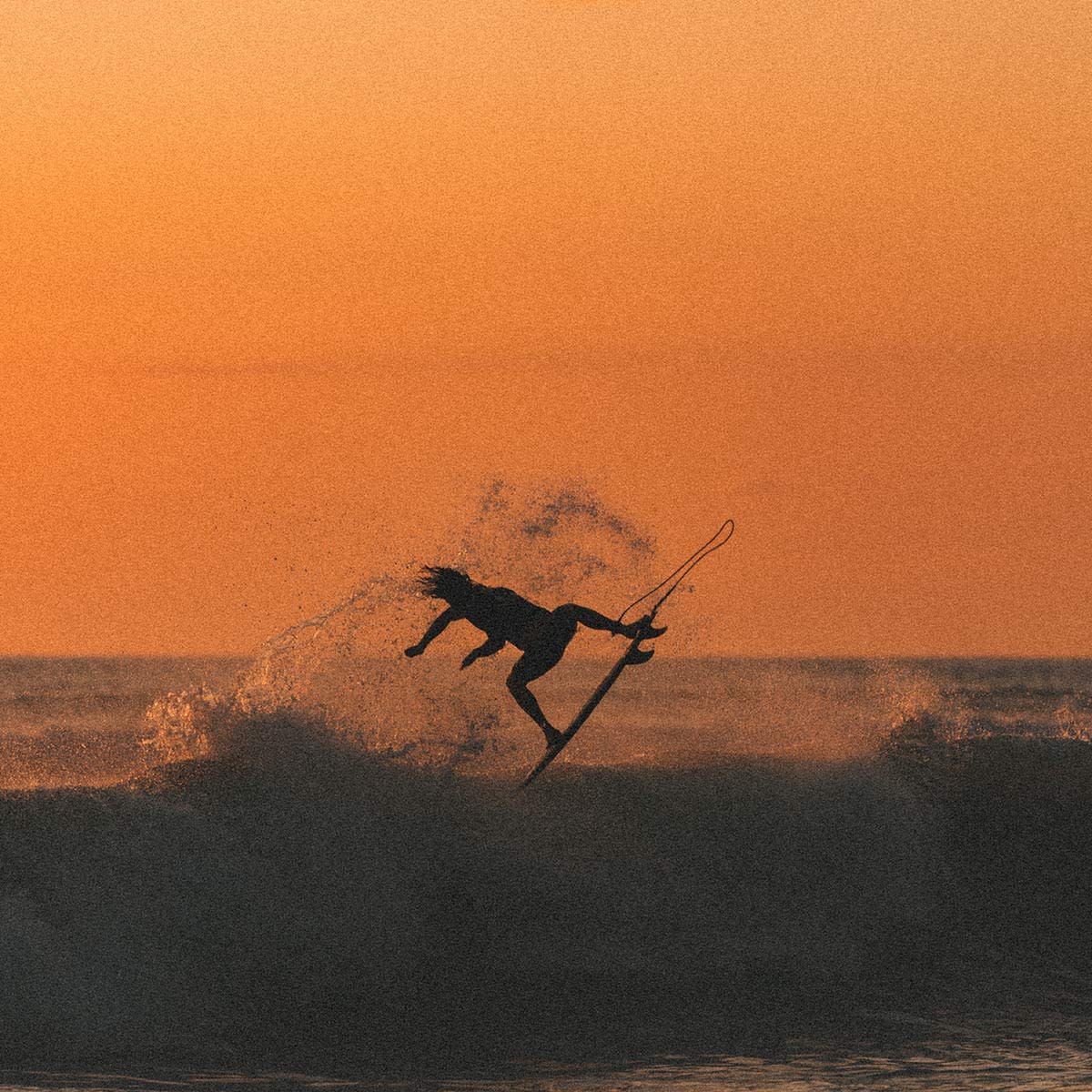
Find Your Coast, Find Your Wave
Santa Teresa is home for us, the kind of place where the days blur together in the best way. Think dawn patrol before breakfast, a coach who already knows exactly which peak is working that morning, and a group of people who feel like old friends by the end of the week.
Whatever your level, from your first pop up to level four, we've got a surf package built around it, whether that's Surf Guiding or Surf Intensive, to help you have an amazing week in the water.
NEWSLETTER
STAY UP TO DATE

Aude St-Cyr
About the author: Hi, I’m Aude, originally from Quebec, but the last decade has taken me across Europe and slowly closer to the ocean. I’m drawn to quiet streets, slow mornings, hole-in-the-wall restaurants, tiny bookstores, and the kind of places where you can lose track of time for a while. When I’m not travelling, you’ll usually find me surfing in Peniche, trying a new recipe, or wandering around with my analog camera, saving little pieces of life for later.
I write content for Lapoint, edit videos, and help grow our community, which means most days involve a mix of words, stories, people, and way too many tabs open at once!
Life goal? To take care of the people and places I love, stay curious, and never lose touch with my inner child.
Latest blogposts

