Lapoint CampsLearn to surf
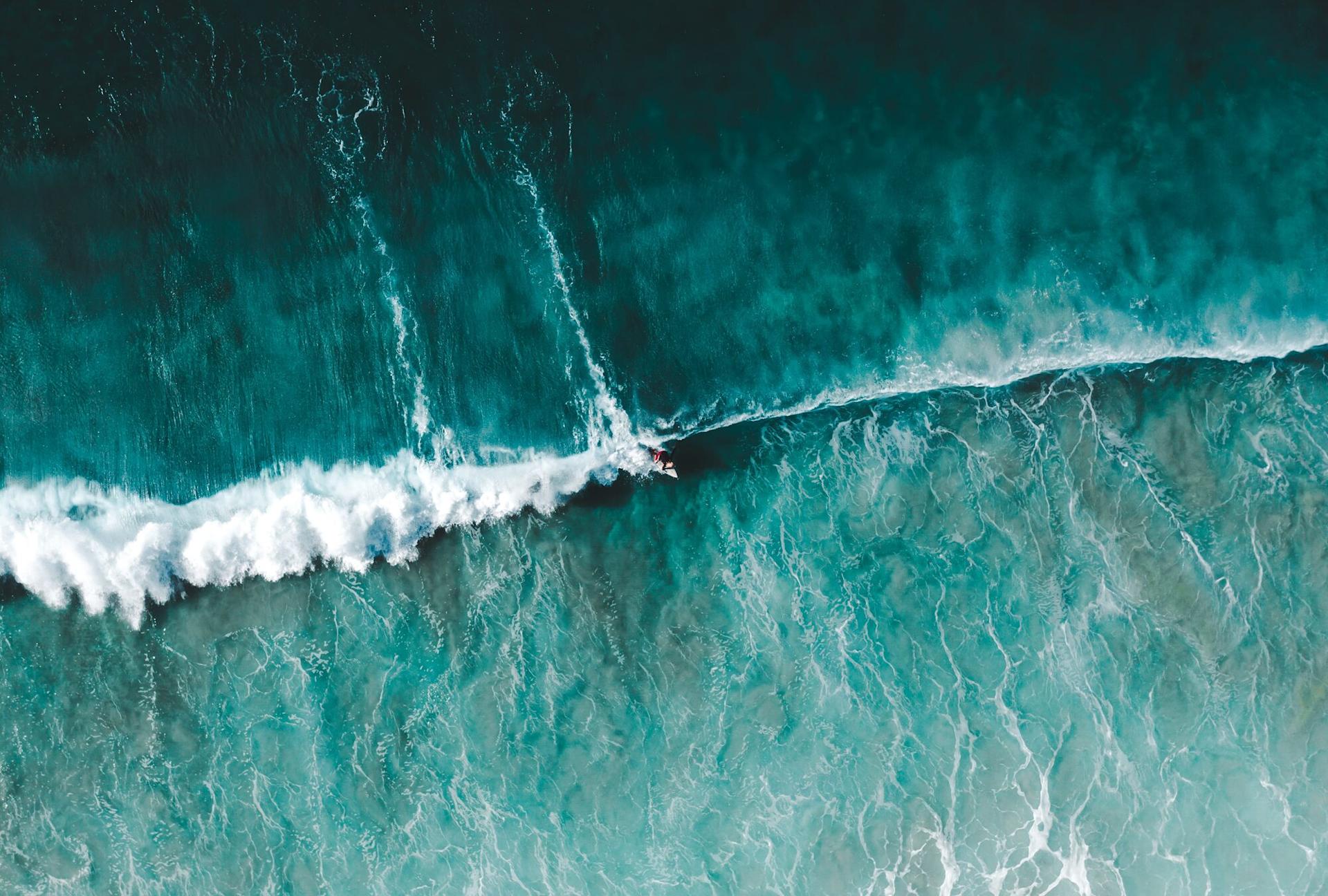
An introduction to the best sport in the world
Surfing starts with curiosity, not experience. This page is your starting point: learn how surfing works, what your first lessons will be like, and how to stay safe in the ocean. Get a glimpse into life at a surf school, check out different techniques, increase your understanding of the ocean, and explore the best places to learn how to surf. Welcome to Surf Theory 101!
Safety first
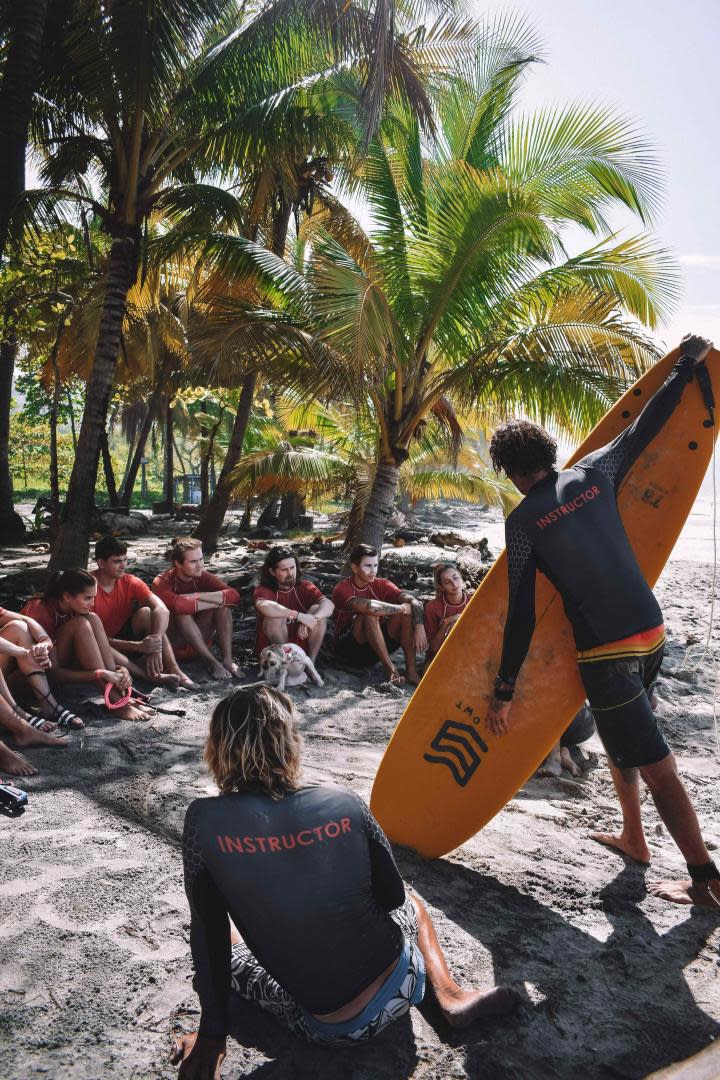
Feeling safe in the water is what allows you to relax and have fun. Surf safety isn’t about rules; it’s about awareness, respect, and protecting yourself and others in the lineup.
As a beginner, you’ll learn how to:
Fall safely and protect your head
Keep a safe distance from other surfers
Stay calm during wipeouts
Understand where it’s safe to surf
The more comfortable you feel, the more confident you’ll become.
The pop-up: your first big surf milestone

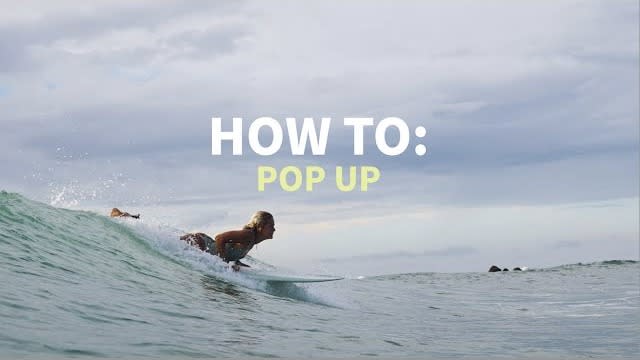
The pop-up is the movement from lying on the board to standing up, and it’s one of the most important basics in surfing. It’s also something everyone struggles with at first.
That’s completely normal.
With the right technique, repetition, and feedback, your pop-up will quickly start to feel natural (and that’s when surfing really clicks!)
Read more about how to do a pop-up here.
VIDEO
HOW TO: Pop Up on a Surfboard | How to surf
Tips from our surf coaches
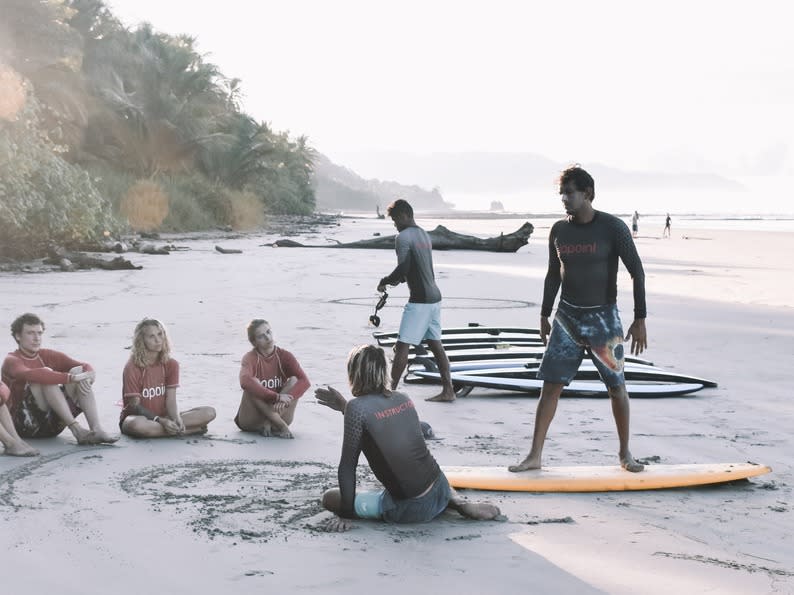
Some key things to keep in mind while surfing, according to our coaches, are:
Use a reference point somewhere on land to see that you aren't getting caught in a current and are dragged to another spot in the water.
Observe before you enter the water: see where the more experienced surfers are surfing, where the currents might be and what the waves look like.
Don’t feel stressed to be surfing on a smaller board, staying on a bigger one allows you to catch more waves and have more fun!
Parts of the surfboard (surf lingo made simple)
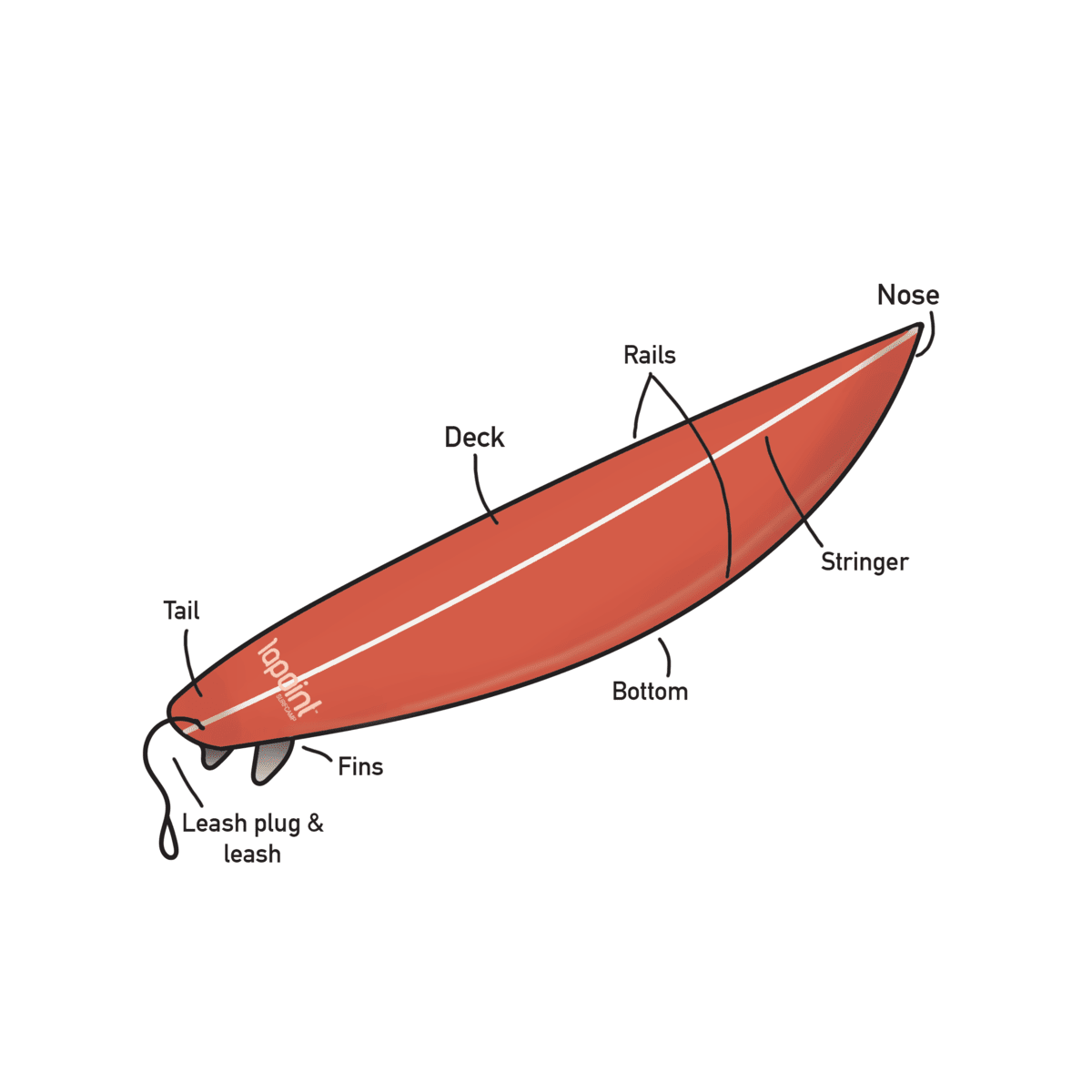
Surfers refer to the different parts of the surfboard with their specific names, so it might be a good idea to keep the anatomy of the surfboard in mind. Knowing the basics helps you understand instructions and feel more at home in the water, and it's not rocket science:
Nose: the front of the board
Tail: the back
Rails: the sides
That’s it. You’re officially speaking surfer.
Types of waves and how to read them
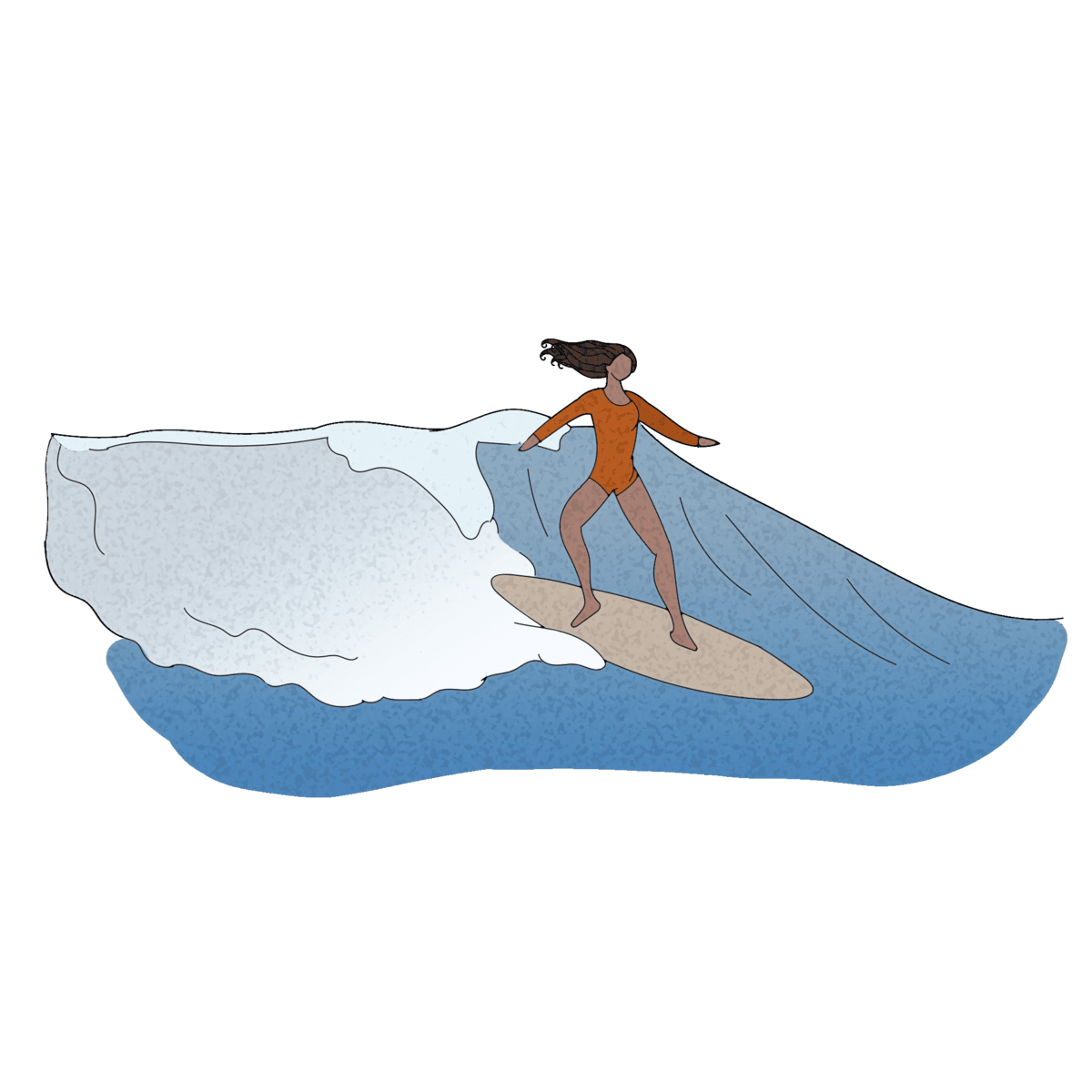
Left-hand wave: If the wave is breaking to the left (psst! The wave is identified from the surfer's perspective), that means that you’ll surf to the left.
Right-hand wave: In contrast to the left-hand waves, you surf to the right on these waves.
A-frame: An A-frame wave, or a “split peak” as it's also called, is a wave where you can surf both left and right.
Closeout: This is what we call the waves that crash and close, which means that we can’t surf either left or right on them.
Parts of the wave
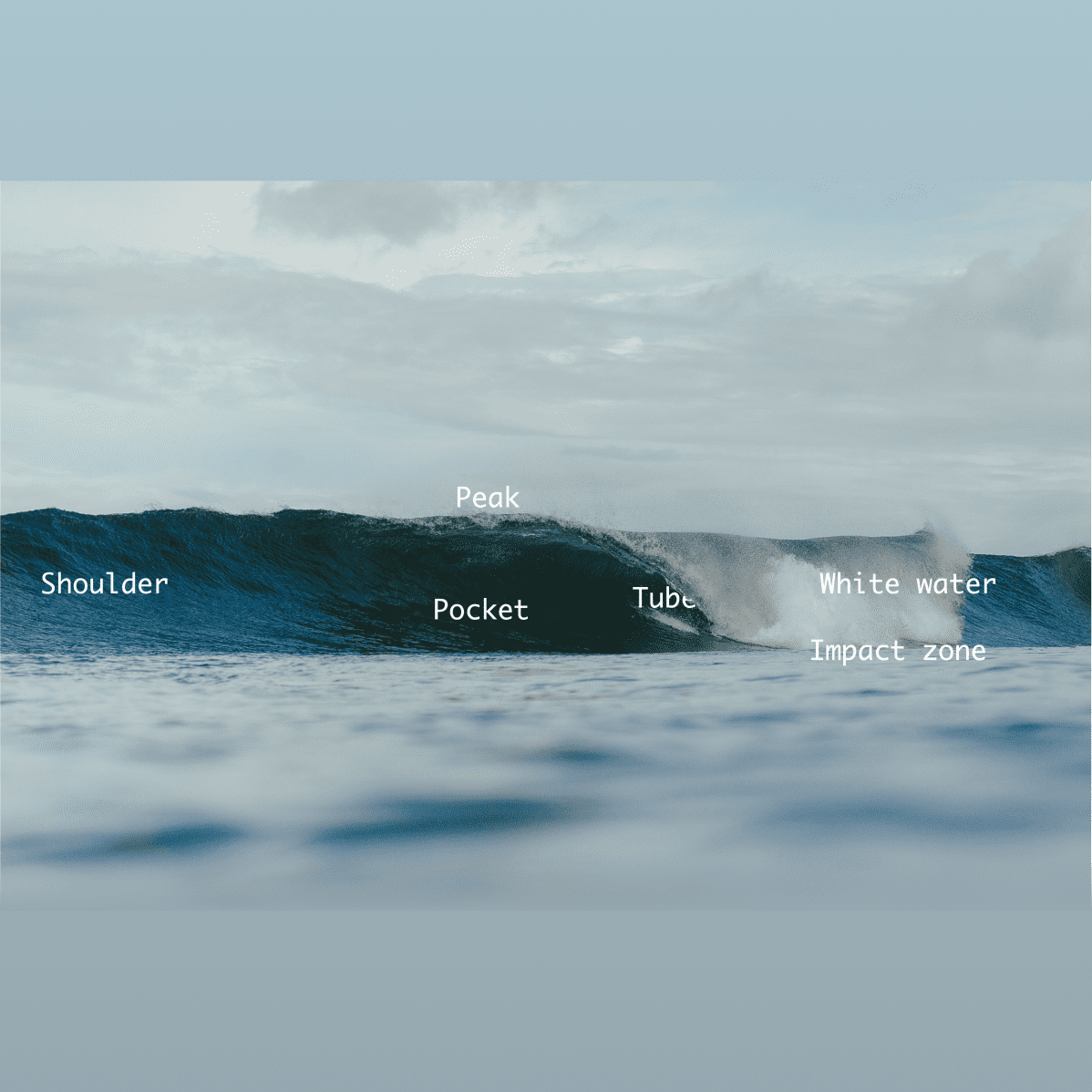
Peak: the wave's highest point and the first part of the wave that breaks.
Shoulder: also called “Face”, this is the part of the wave that hasn't broken yet and where it is less powerful.
Pocket: where you want to catch the wave.
Tube: also called “Barell”, a part of the wave with a cylinder-like form.
White water: the white water is where beginner surfers learn the basics of the sport, this part of the wave has already broken and is less powerful.
Impact zone: the most powerful part of the wave where it crashes into the flat water.
Why learn to surf with Lapoint?

Learning to surf is easier when you feel supported. Small groups, experienced instructors, and structured progression help you build confidence faster (without pressure).
Instead of guessing your way through surfing, you’ll get:
Clear guidance in and out of the water
Personal feedback that actually helps you improve
A learning environment where mistakes are part of the process
Certified instructors & customized courses at some of the world’s greatest surf destinations
We’ve shared our passion for surfing since 2005, had 100,000-something thrilled guests, and maybe about 1 million ridden waves; we know what real stoke looks like!
IMPROVE AT SURFING
The journey to the YEW!

To become a good surfer you need to connect with the ocean, learn the right techniques and find a good beginner surfboard that suits you. Understanding surf etiquette, surf lingo, tides and type of waves is also key for catching the perfect wave!
We know that it can all seem a bit much, that’s why we have small groups, instructors that help each of you in the water, and personal feedback after each session.
We’ve all been there, and we can promise you that it gets more fun as you get better!
Why learning to surf will forever change your life
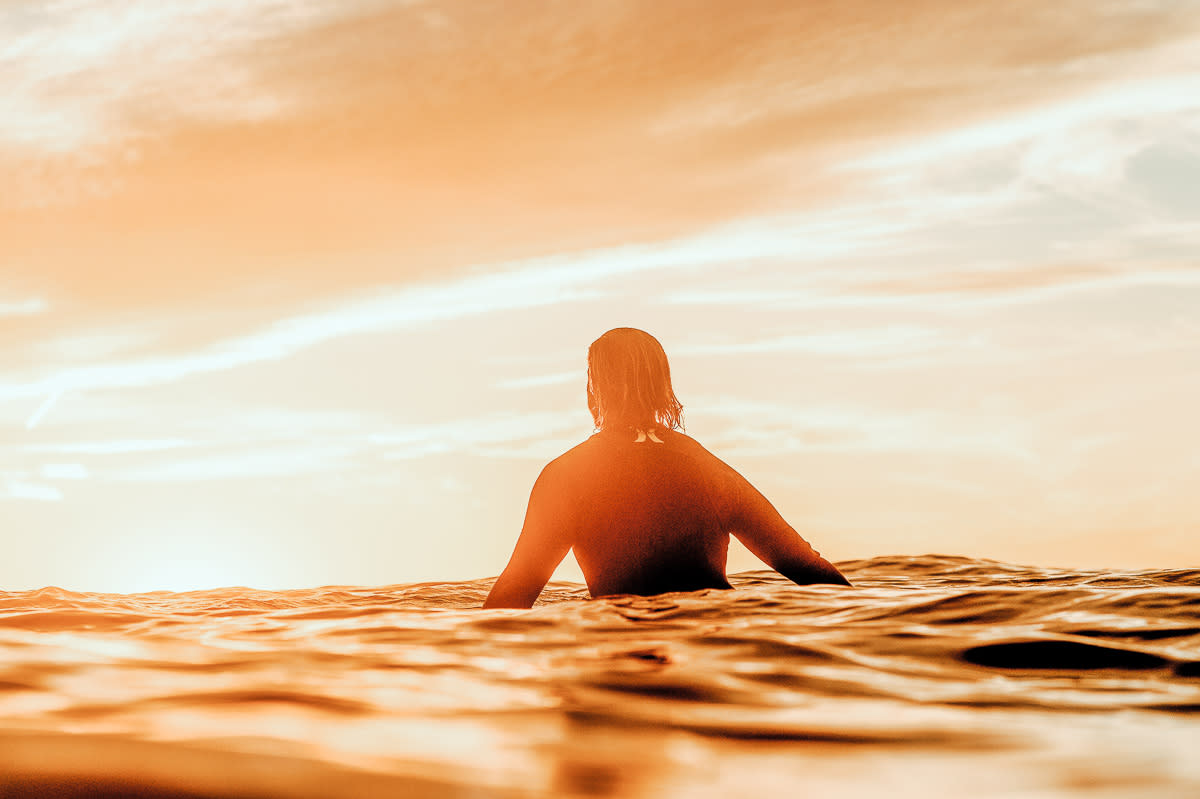
Surfing gives you an indescribable feeling of freedom, makes you connect with nature, shows you how to be fully present at the moment and gives you a true sense of belonging through a tight-knit community.
Not only that, but surfing is also scientifically proven to make you happier. Salty air triggers the release of endorphins and serotonin, the happy hormones – making stoke a real thing!
VIDEO
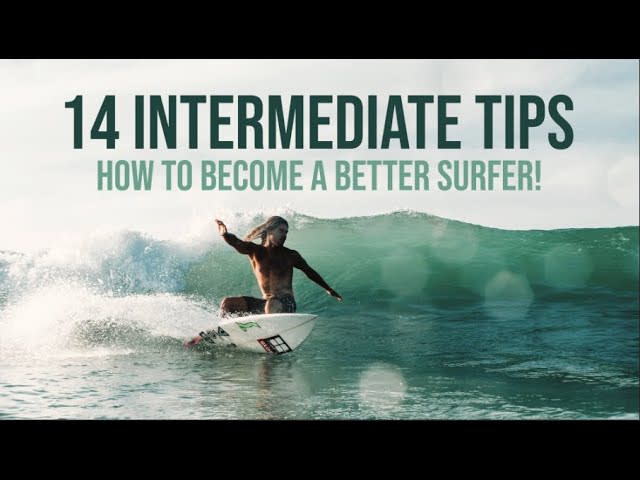
How to become a better surfer!
THE SURF JOURNEY
How long does it take to learn how to surf?
Surfing can be challenging, but once you make it past the first hurdles, it just keeps on getting more fun! Our instructors are here to take you through the whole journey, from beginner to pro, intrigued to hooked! Here is the typical learning curve of surfing.
Individual feedback
No matter which of our surf camps you decide to visit, you’ll surf in small groups together with a professional surf coach. Surfing in smaller groups allows you to get as much time as possible with the instructor, get individual feedback and progress your surfing in the way that’s best for you.
Good things take time
One good thing to keep in mind while learning how to surf is to be prepared that it will take you some time to get good at it. It is one of those sports that will take a lifetime to become great at, so enjoy the magical ride there and have fun in the waves!
The right level for you
Surfing is a challenging sport, so it’s important that you start at the right level for yourself and work your way up. We have divided our surf classes into levels 1, level 2 and level 3 with different steps within each level. Which level fits you the best?
SURF CAMPS
Why learn to surf at a surf camp?

You can learn to surf on your own, but surf camps make it easier, safer, and more fun. Learning alongside others, with instructors who know the conditions, helps you progress faster and enjoy the experience more.
Especially if you have limited time, surf lessons make every session count.
VIDEO
House tour at Lapoint, Sri Lanka

From the heart
A message from the Lapoint Crew to aspiring surfers out there
From one surfer to another; our best advice is to never give up. Rather enjoy the ride, learn from your challenges, celebrate your achievements and have fun while you learn to surf! And one day, when you’re riding that perfect wave and can’t stop smiling, we can promise you that it will all be worth it.
Learning to surf can be challenging, but if you are persistent and passionate about it, the reward is big! It’s never too late to learn how to surf, and learning to surf after 30-40 is not uncommon. Once you start, it's easy to understand why so many people get hooked and immerse themselves in this world.
The lifestyle, the community, the stoke, the health benefits, the connection to nature and the sense of freedom make surfing so much more than just a sport. We will show you the best way to learn how to surf and make your surf holiday with us truly unforgettable. Let’s go!
Sustainability
The beach is our home. We are leaving it better than we found it.
We have made a commitment to our ocean, beaches and community. They are our playground, our home and our livelihood. We are going to leave them better than we found them. That means that all our employees, friends and guests helps out with recycling and taking other actions for the environment. Each week there are beach cleaning and recycling activities to ensure that our home stays the way it was supposed to be.